

How to Choose the Best Interior Design Services for Your Home
Introduction
Your home is a reflection of your personality, lifestyle, and taste. Whether you’re building from scratch, renovating, or simply revamping a room, choosing the right interior design services can make all the difference. With an overwhelming number of designers and firms available today, finding the perfect fit for your home can be both exciting and daunting. But don’t worry—this comprehensive guide will help you make an informed decision so your home turns out just as you envision it, or even better.
Understand Your Style and Needs
Before you begin your search for an interior designer, it’s important to understand what you want. Are you looking for a modern, minimalistic space? Or are you leaning towards a cozy, vintage look? Knowing your personal style will help narrow down designers who specialize in or are comfortable working within that aesthetic.
Also, identify the scope of the project:
- Are you redesigning the entire house or just one room?
- Do you need full-service design or just consultation?
- What’s your timeline and budget?
Having clarity on your style and needs will ensure that both you and your designer are on the same page from the beginning.
2. Research and Gather Recommendations
Start by asking friends, family, or colleagues if they’ve worked with an interior designer they loved. Word of mouth is a great way to find trustworthy services.
You can also explore:
- Online platforms like Houzz, Pinterest, and Instagram
- Interior design portfolios and websites
- Google reviews and testimonials
Pay close attention to the types of projects the designer has done in the past, their specialties, and client satisfaction. Many designers showcase their work in a digital portfolio, which can be a valuable resource when evaluating their style and versatility.
3. Check Credentials and Experience
Once you’ve shortlisted a few designers, check their qualifications and professional background. Reputable designers often have:
- Degrees in interior design or related fields
- Membership in professional associations such as ASID (American Society of Interior Designers) or IIDA (International Interior Design Association)
- Certifications or licenses depending on your location
Experience also matters. A designer who has handled diverse projects will likely bring more creativity and problem-solving skills to the table.
4. Review Portfolios Thoroughly
While recommendations and reviews are helpful, nothing beats a visual inspection of a designer’s past work. Ask for a portfolio or visit their website. Look for:
- Diversity of projects: Can they work across different styles?
- Attention to detail: Is there a coherent flow in the spaces?
- Functional design: Do the rooms not only look good but serve the purpose effectively?
A portfolio reveals a lot about the designer’s aesthetic, skill, and consistency. Make sure their vision aligns with yours.
5. Schedule Consultations
Most interior designers offer an initial consultation—sometimes for free, sometimes at a nominal fee. Use this opportunity to:
- Discuss your needs, goals, and budget
- Get a feel for their communication style and professionalism
- Understand their approach to design, materials, and timelines
This meeting is crucial. You should feel comfortable expressing your ideas and asking questions. A good designer listens, asks relevant questions, and offers constructive feedback.
6. Ask the Right Questions
During your consultations, don’t shy away from asking detailed questions. Some good ones to include:
- What’s your design process?
- How do you handle budgeting and unexpected costs?
- Will you collaborate with my contractor or provide your own?
- Can you provide references from past clients?
- What is your project timeline and availability?
These questions will help you assess not only their capability but also their transparency and commitment.
7. Understand Their Fee Structure
Interior designers may charge in various ways:
- Hourly rate
- Flat fee per project
- Percentage of the overall budget
- Cost per square foot
Make sure you understand exactly what’s included in their fees. Clarify if there are additional charges for site visits, material sourcing, or design revisions. A detailed and transparent fee structure will help you plan your budget better and avoid surprises.
8. Discuss Project Management and Collaboration
A good designer does more than pick paint colors and fabrics. They manage timelines, coordinate with contractors, supervise installations, and ensure everything runs smoothly.
Ask about their project management skills:
- Will they create a project timeline?
- Who will be the point of contact?
- How often will they update you?
It’s also essential to assess how well they can collaborate with architects, engineers, and contractors. Effective communication and coordination are key to avoiding delays and miscommunication.
9. Evaluate Their Resource Network
Experienced designers typically have an extensive network of trusted vendors, craftsmen, and suppliers. This is a big advantage because:
- You get access to high-quality, often exclusive materials
- It saves time on sourcing and purchasing
- You may benefit from trade discounts
Find out what kind of access and deals they can offer, and whether those savings will be passed on to you.
10. Look for Chemistry and Compatibility
No matter how talented the designer, if you don’t feel comfortable with them, the process can become frustrating. You’ll be working closely for weeks or even months, so mutual respect and clear communication are vital.
Ask yourself:
- Do they understand your vision?
- Are they receptive to feedback?
- Do they explain their ideas clearly?
- Do they make you feel heard?
A designer-client relationship should feel collaborative, not hierarchical.
11. Check Contracts and Agreements
Before making your final decision, review the contract carefully. It should include:
- Scope of work
- Payment terms
- Timeline
- Responsibilities and deliverables
- Termination clause
Make sure everything discussed verbally is documented in writing. This ensures that both parties are protected and reduces the risk of misunderstandings.
12. Trust Your Instincts
Finally, trust your gut. If a designer seems too pushy, dismissive of your ideas, or vague about costs, that’s a red flag. On the other hand, if you feel a natural rapport and admire their work, it’s likely a good match.
Conclusion
Choosing the best interior design services for your home involves more than picking someone with a great aesthetic sense—it’s about finding a designer who understands your needs, respects your budget, and collaborates with you to bring your vision to life.
By taking the time to do your research, ask the right questions, and assess compatibility, you’ll be well on your way to transforming your space into a dream home that’s both beautiful and functional. Remember, the right designer doesn’t just decorate your house—they elevate the way you live in it.
Contact Opulent Interior Spaces today to transform your home into a masterpiece of elegance and functionality.
Read Our Latest Blogs
-
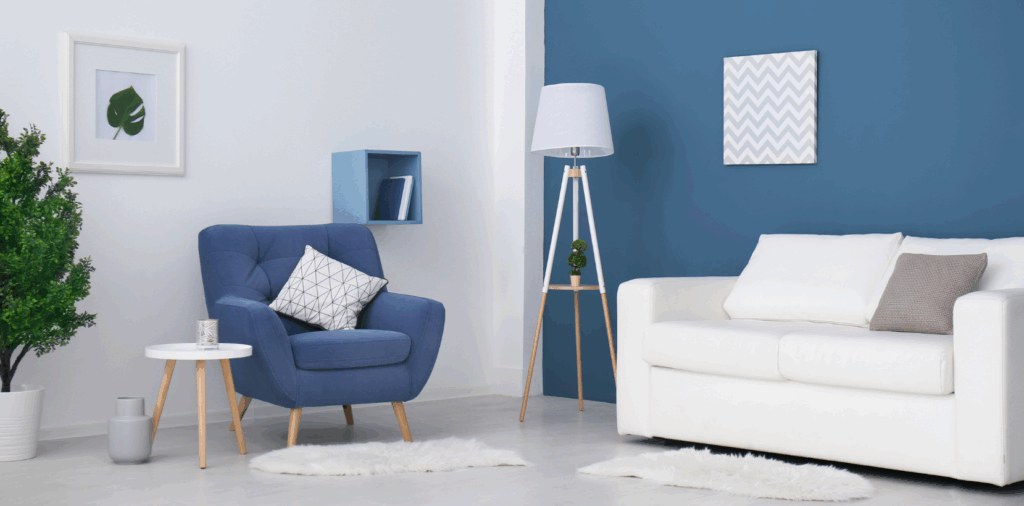 Color Psychology in Residential Interiors: What Designers Recommend
 -
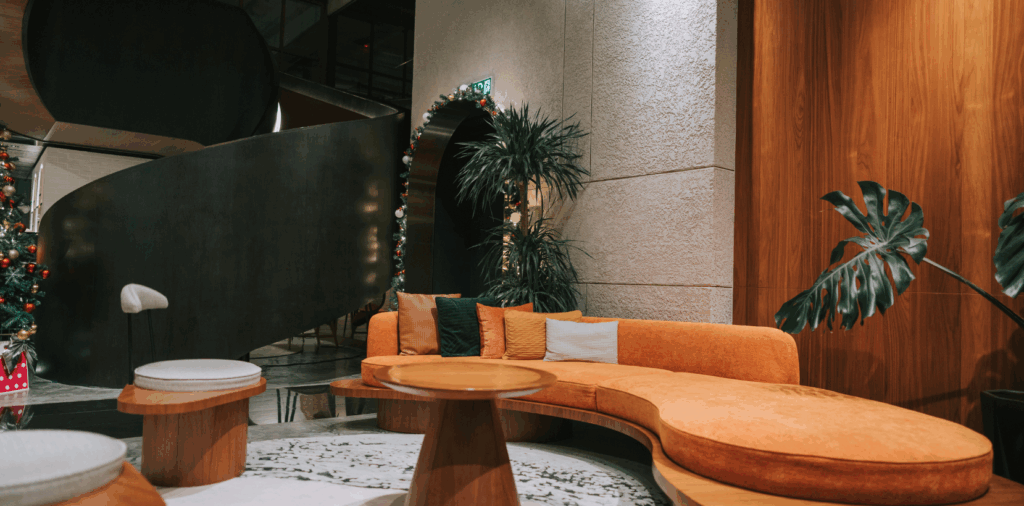 Exploring Minimalist Luxury in Thane's Interior Design
 -
 How to Design a Vastu-Compliant Modern Office in Thane
 -
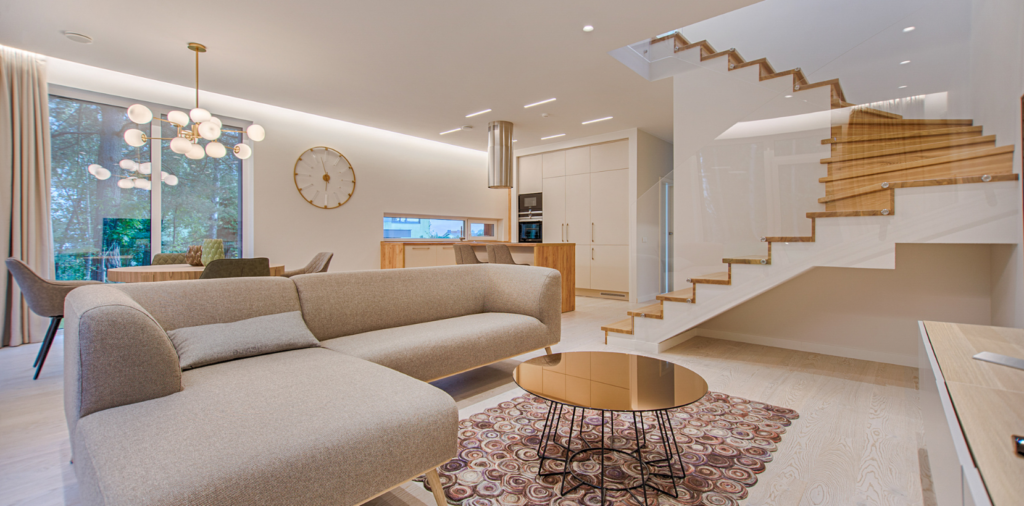 How to Choose the Best Interior Design Services for Your Home
 -
 Runwal Group Luxury Apartments: The Best Interior Design Styles for High-End Homes